5 Reasons Wardogs Feels Like a Completely Different Game After the Season 2 Rain Update
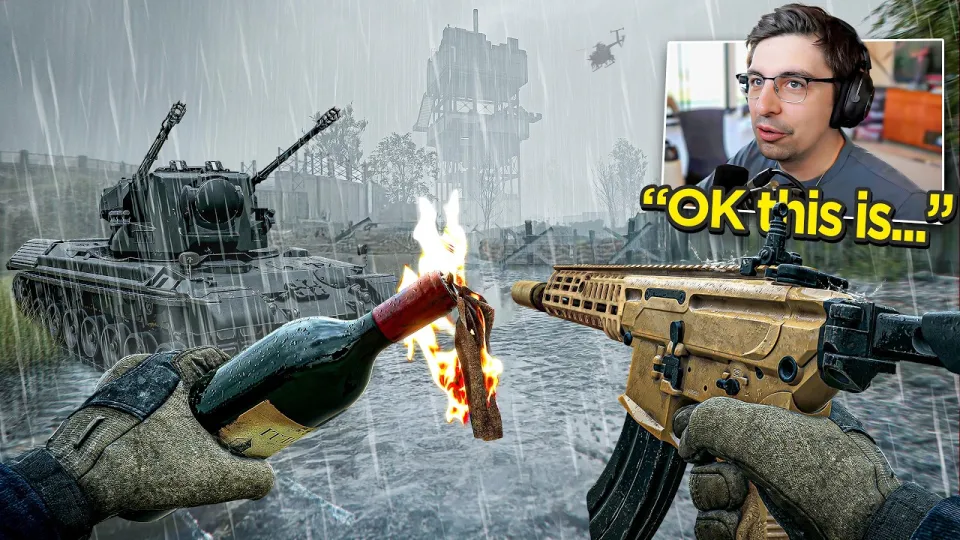
Video: Wardogs Is a Completely Different Game Now...
Need articles like this for your video? They help promote it on YouTube and Google — order them in the Telegram bot @sat_sit_bot. Articles with your video embedded are written and posted by the bot itself — on popular topical sites (no ads). Free trial — 50 articles.
· based on the channel shroud
Key takeaways
- Wardogs Season 2 introduced dynamic rain that reshuffles visibility, sound and sniping ranges on existing maps.
- Heavy rain cuts effective sightlines to roughly 190 meters in places, making long-range scopes far less reliable.
- Thermal and infrared optics gain value in rain because they cut through the reduced contrast.
- Armor-piercing rounds aimed at the torso do little against heavy plates; HP or expanding ammo to the legs bypasses armor.
- Squads in one voice channel hold a coordination edge over larger groups of unorganized players.
Wardogs changed more in Season 2 than most extraction shooters do in a year: dynamic rain now rolls across the maps and rewrites visibility, sound, sniping ranges and the risk of every raid. The weather is not cosmetic. It cuts sightlines, muffles footsteps and forces squads to rethink loadouts, ammo types and routes — which is why players who return to the game after a break describe it as a completely different game. You can follow the full run on the shroud podcast on Spotify if you want the long-form discussion that accompanies the gameplay.
What the Wardogs Season 2 rain update actually changes
The rain is a systemic modifier, not a filter over the screen. In practice it does four things at once.
- Visibility drops sharply. Long sightlines blur, and even around 190 meters targets become hard to spot without optics help. Maps you memorized in clear weather suddenly have new "dead zones" where nobody can hold an angle.
- Sniping loses its throne. Players report that the rain has gutted long-range play — bolt-action and high-magnification scopes are far less dependable when the target is a gray smudge in gray mist.
- Sound gets muddier. Rain masks footsteps and distant gunfire, so audio cues that normally decide fights arrive late or not at all.
- Buildings and vehicles matter more. Interiors, towers and helicopter cabins become the default fight locations, and even the rain streaking across a heli windshield becomes part of the experience.
How the rain reshapes raids, bases and map flow
Season 2 turns familiar locations into unfamiliar ones. A south tower that used to be a quiet overwatch point becomes a contested stronghold when constant raids push through it, and a short push northwest can suddenly reveal a bridge you only recognize from a totally different part of the map. That disorientation is the point: the same geography now plays by new rules.
Base building also gains weight. Large groups — a 20-player blue faction, for example — can throw up fortifications that look genuinely intimidating, and the rain makes those structures harder to scout from a distance. For smaller squads, the counter is mobility: rotate through cover, use interiors, and avoid open ground where the weather helps whoever is already dug in.
Why HP ammo and leg shots decide fights in Wardogs
One of the most repeated lessons from the new season is ammunition choice. Heavy armor plates absorb torso and head hits from standard rounds, so a player who keeps aiming center mass will empty a magazine and conclude the gun is terrible. The fix is mechanical, not psychological:
- Load HP (hollow-point or expanding) ammo when you expect armored opponents at close range.
- Aim at the legs. Limbs are typically unarmored, and damage there bypasses the plate entirely.
- Repack magazines before you push a building, not while falling through a hatch.
The pattern that keeps costing fights is simple: a teammate calls out "shoot the legs," the shooter acknowledges, then keeps firing into the chest, dies, and blames the weapon. A PP-19 with the right rounds can clear a room; the same gun with the wrong ones feels like the worst weapon in the game.
Typical mistakes players ask about after the weather patch
Three questions come up again and again from players adjusting to the rain.
"Why can't I see anyone at range anymore?" Because the weather is designed to compress engagement distances. If you built your loadout around a long scope, either swap to a mid-range optic or accept that fights will happen inside 150–200 meters.
"Is thermal still worth it?" Yes — arguably more than before. Infrared and thermal optics cut through the low-contrast haze that ruins plain glass, so they become premium gear in wet conditions.
"Why do I lose fights I should win?" Usually game sense, not gear. Getting shot from a building, then walking into that building, opening your inventory mid-fall to repack, and dying to the same shooter is a decision problem. Clear the angle first, then reload.
Does squad size or squad coordination matter more?
Coordination beats headcount in most Wardogs fights. Twenty players spread across separate voice channels and working alone are effectively twenty solo players; six players in one Discord call, sharing callouts and pushing together, behave like a single organism. The rain amplifies this gap, because information is scarcer — fewer clean sightlines, fewer reliable sound cues — so the squad that talks constantly is the squad that knows where the enemy is.
Recoil control is the other dividing line. Watching a top-tier player like shroud hold a spray pattern at range is a reminder that mechanical consistency matters as much as tactics; most players underestimate how much of a fight is decided before the first bullet leaves the barrel.
Where to find more Wardogs and shroud content
All the links referenced in the stream are collected here:
- shroud's Spotify show
- Logitech G products with the shroud promo code
- Maingear shroud reference PC build
- shroud on Twitter
- shroud on Twitch
Final thoughts on the Wardogs weather overhaul
Season 2's rain is the rare patch that changes how the game is played rather than how it looks. Sniping is weaker, interiors are stronger, thermal optics are more valuable, and ammo selection now decides close-range fights as much as aim does. The squads adapting fastest are the ones treating weather as a tactical variable — rotating early, stacking voice comms, and loading the right rounds before the door opens. For a full look at how those adjustments play out in live raids, the breakdown by shroud on his channel is the place to start, and the companion show is available on Spotify.
Questions & answers
How does the rain in Wardogs Season 2 affect sniping?
Heavy rain compresses effective sightlines, and players report that targets become difficult to identify even around 190 meters. High-magnification scopes lose much of their value, so fights tend to shift indoors or into shorter ranges where mid-range optics and fast handling win out.
Why does shooting the torso feel useless against armored players?
Armor plates absorb most torso damage from standard rounds, so a full magazine can disappear without a kill. Switching to HP or expanding ammunition and targeting the legs bypasses the plate and drops armored opponents far faster at close range.
Do thermal or infrared goggles help in rainy weather?
Yes. Rain reduces contrast and washes out normal optics, while thermal and infrared devices still separate bodies from the background. That makes them premium gear during storms, especially when defending or scouting fortified positions.
Is a large squad automatically stronger than a small one?
Not necessarily. Twenty players in separate voice channels fight like twenty individuals, while a small group sharing callouts and pushing together acts as one unit. In low-visibility rain, constant communication matters more than raw numbers.
Source: Wardogs Is a Completely Different Game Now... · Markdown version